I often hear from my clients when they visit Vancouver: "Where's a store where I can buy bottled water?"
I always answer: "The best water won't be in a bottle — it'll come straight from the tap. We're in Vancouver!"
Whenever I pick up passengers for a tour, I bring along ice-cold bottled water, since that's the standard practice with every good tour company in the world. But... as soon as we start touring, I like to remind them that one of Vancouver's many advantages is the quality of our water.
Why?
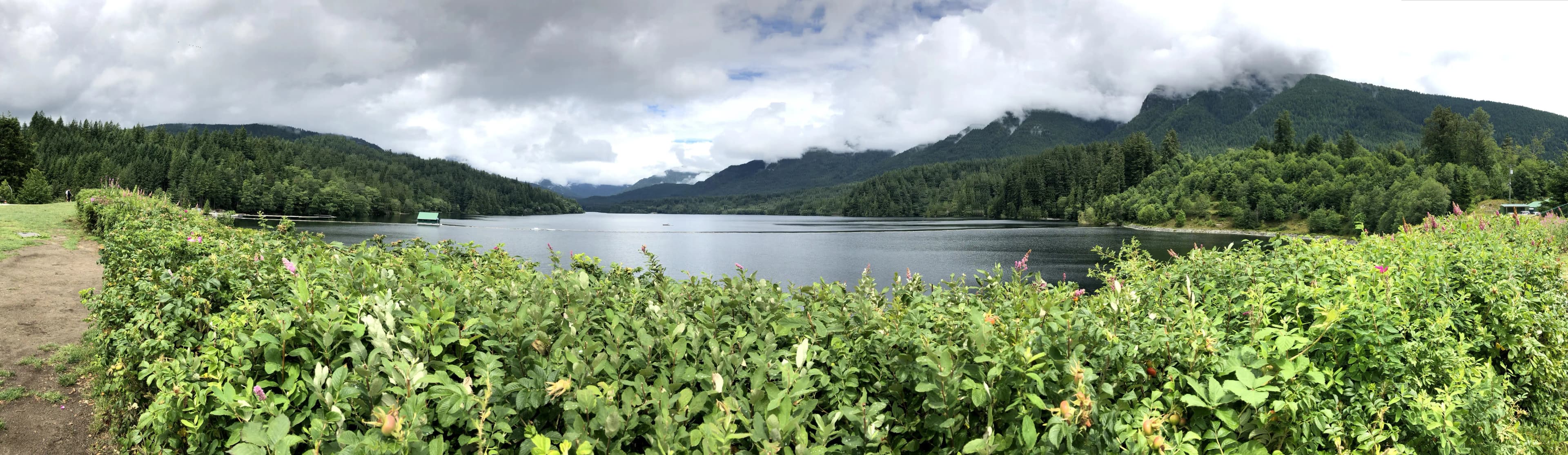
To answer that question, I went on an expedition to where our water is actually collected. I went to see where our water "is born" and how it's treated before it reaches our taps.
This "expedition" isn't open to the general public, but is available to a small group of participants, accompanied by technicians who teach us about our water quality and the importance of not wasting it.
Let me take you on this "journey" and show you that here in Vancouver we have the best water in the world. This isn't just me talking — it's scientifically proven and shows up in any water report or analysis you can find out there.
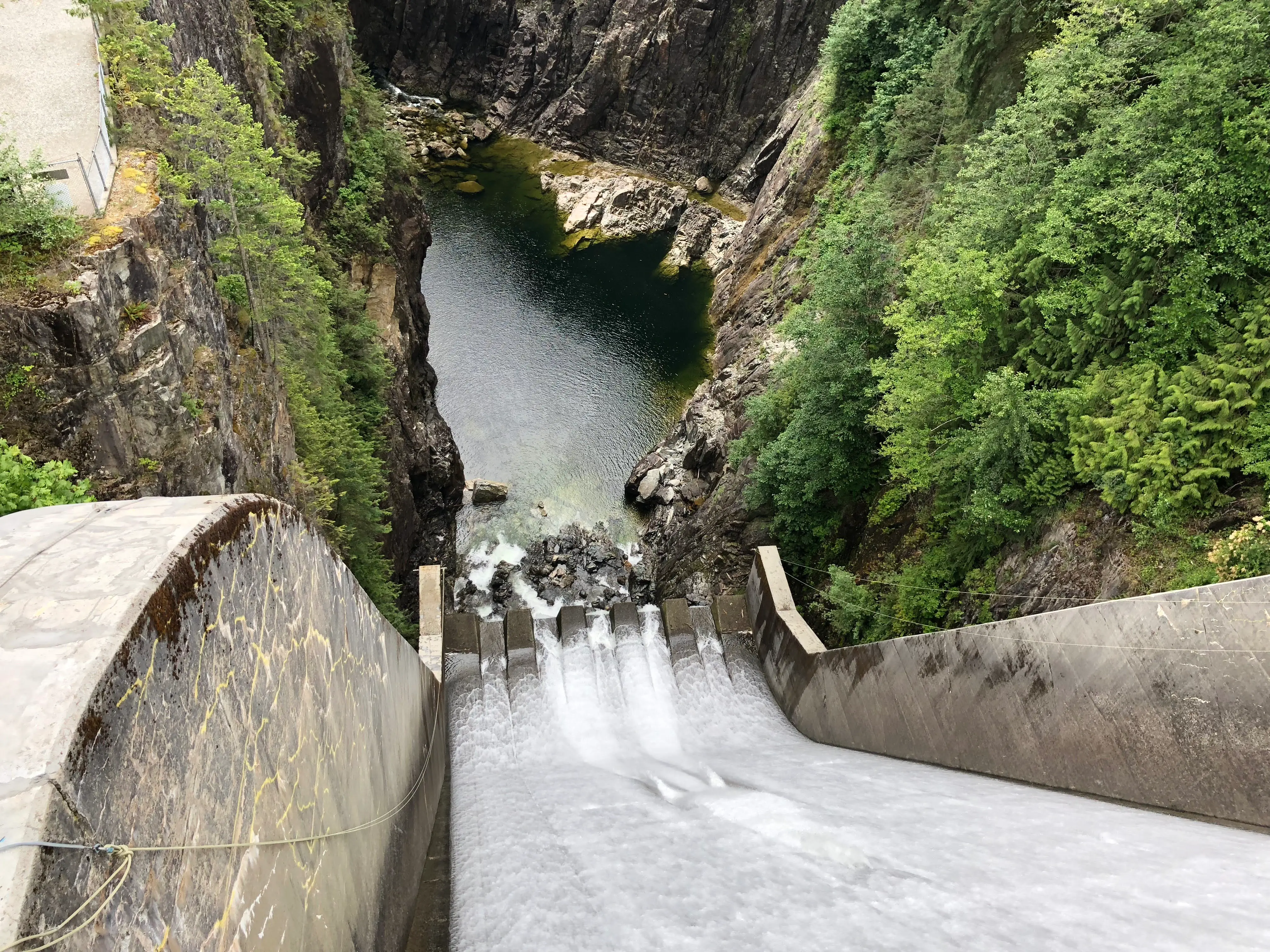
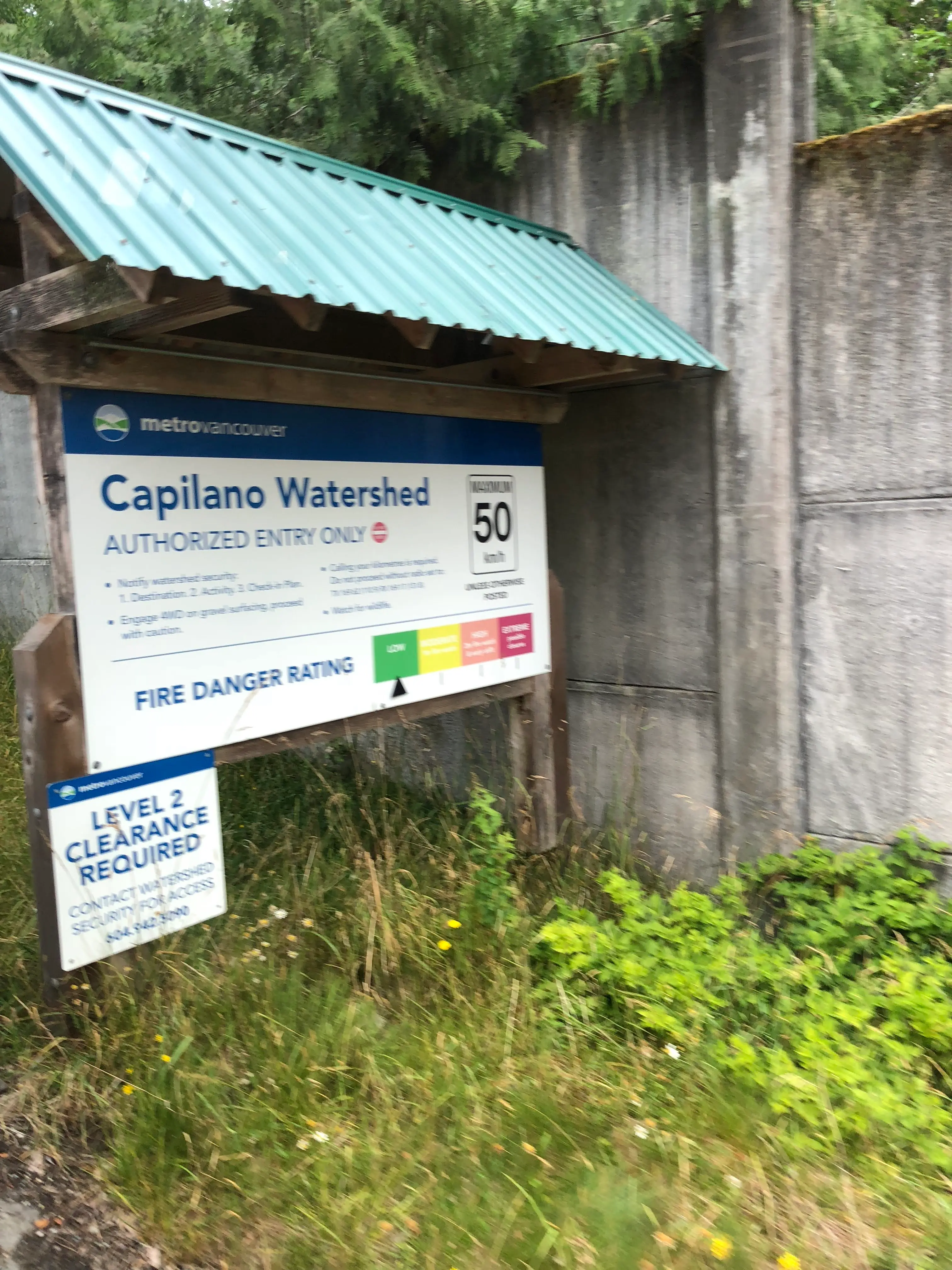
At the start of the last century, the area where the Capilano River is located had a number of sawmills and a few luxury hotels. The government bought up all that land.
Today, we can proudly say that in all of North America there are only four completely "closed" watersheds — with absolutely no "external influence" (factors that could pollute the water/reservoirs) — and they're right here, in our Beautiful British Columbia!
They are: Coquitlam, Seymour, Capilano, and Victoria.
Five Reasons to Choose Tap Water Over Bottled Water
1. Very cold water at the source, meaning very few bacteria
The water that feeds the Capilano River is extremely cold, since it comes from glaciers — Rogers Lake, already in sub-alpine territory, is one of the sources. There's also a waterfall (also fed by glacier water), and at the top of that glacier there's a lake, Palisade Lake, which is very deep (around 85 meters) and also has extremely cold water.
The advantage of such cold water? It prevents the growth of bacteria. It also prevents the buildup of slime and algae.
The downside of such cold water? It's not great for salmon, since the water temperature is quite low (which doesn't stop them from swimming upstream, but it's not the "ideal" temperature for the journey and spawning).
2. Less pollution
Plastic water bottles pollute the environment twice over. The first time is when they're manufactured (picture an empty plastic bottle — producing it takes nearly four finger-widths' worth of oil!). The second time bottled water pollutes the environment is at disposal, when bottles are carelessly thrown away, polluting oceans, lakes, and rivers.
Bottled water is a huge waste! That's why it's worth carrying your own reusable bottle and refilling it whenever you find a water fountain or bottle-filling station (increasingly common at public and private locations throughout Canada).
3. Quality Control
The government keeps very tight control over the water that reaches our taps. According to the water company's technicians, oversight of tap water is far more rigorous and detailed than the oversight of bottled water sold in stores. Need I say more? :)
4. "Mineral water" comes from a tap too — just not "your" tap
If you think the "mineral water" you buy in a bottle comes from some pristine, otherworldly miracle spring, think again!
According to the water company's technicians, bottled water comes from... a tap! Yes, a tap. Not your tap, but some tap located in towns near Vancouver, such as Hope.
Just read the label on the bottle and it's all right there (source, and so on).
5. Price
Do you know how much you pay for the water you use at home? You might not have an exact sense of it, since if you live in a building, the water bill is already included in your Strata fee, or if you rent, the water cost is baked into your condo fee, which is in turn baked into your rent.
(A quick note for anyone not yet living in Canada: here, unlike in some other countries, tenants don't pay separate "condo fees" and "property tax." The rent already includes those items, so you can't easily pinpoint exactly how much goes toward water, elevator maintenance, cleaning, and so on.)
So, let's talk about the price of water: 1,000 liters of treated water costs a homeowner less than 1 Canadian dollar (the exact amount varies between winter and summer, and is adjusted annually).
Now sit down for this: do you know how much a liter of water costs at any corner store? Easily more than 1 Canadian dollar — meaning it's more expensive per liter than the 1,000 liters that come out of your tap.
How about that? A thousand liters of thoroughly treated water from your tap for under 1 dollar, versus a single liter of "bottled" water — whose tap it actually came from, who knows — costing way more. Which is the better deal?
6. Filtration and Treatment
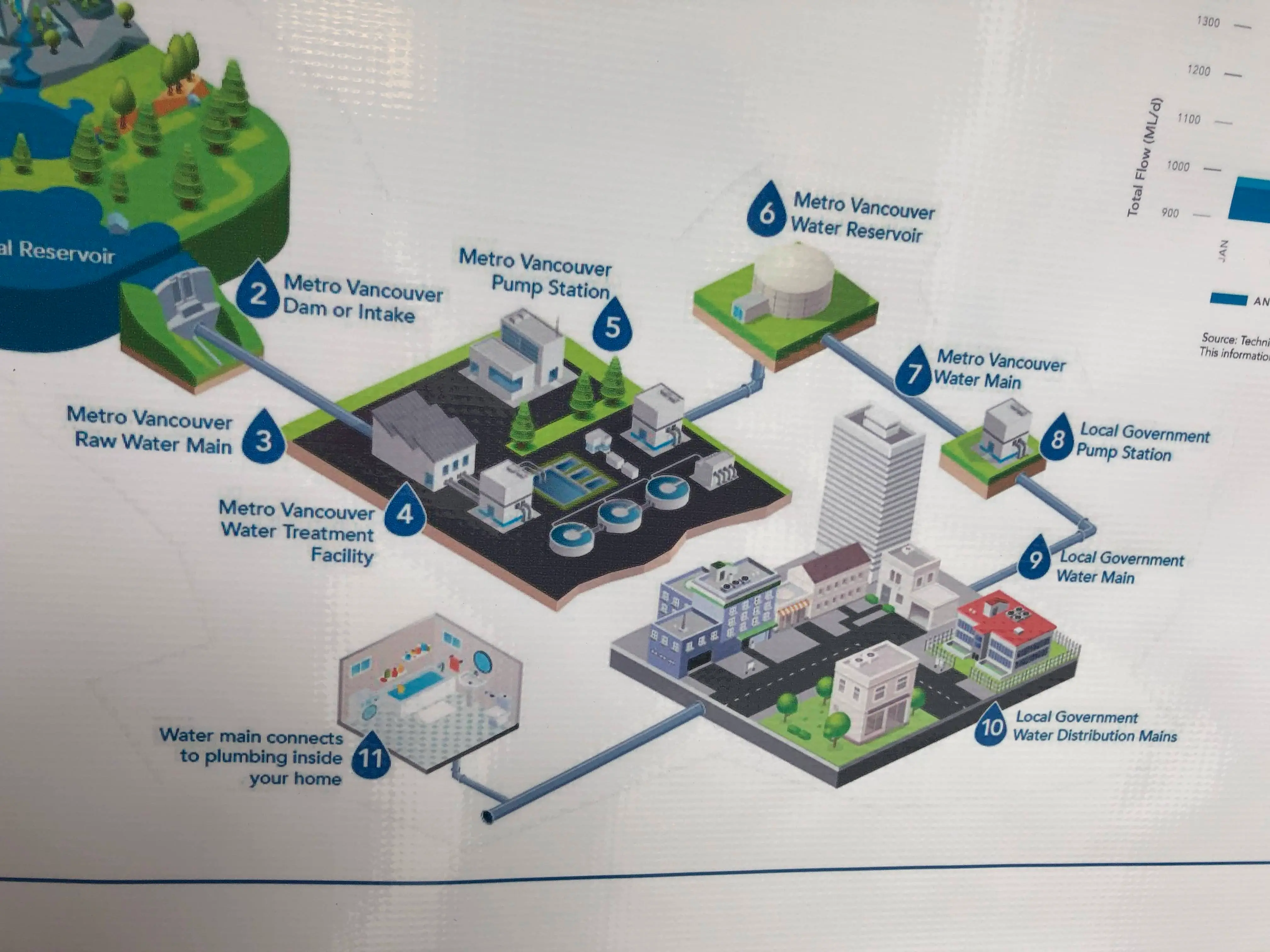
After the water is collected and stored, it heads to Seymour, where filtration takes place.
After filtration, a small amount of chlorine is added, to kill off any bacteria that might be in the system.
Beyond chlorine, the water also goes through ultraviolet treatment, which alters the DNA of bacteria. According to what I learned on the tour, the real issue is bacterial reproduction. If our body comes into contact with a bacterium that can't reproduce, it poses no danger. That's the purpose of the UV treatment — to alter bacterial DNA so it can no longer reproduce.
Fluoride: here in British Columbia, no fluoride is added to the water. In Canada, only Vancouver and Montreal don't add fluoride to their water.
There are studies suggesting fluoride may be linked to cancer. While there's no absolute certainty about whether fluoride could be harmful to health, those responsible for Vancouver's water supply prefer not to add it, leaving the decision about prescribing fluoride to prevent cavities up to doctors and dentists.
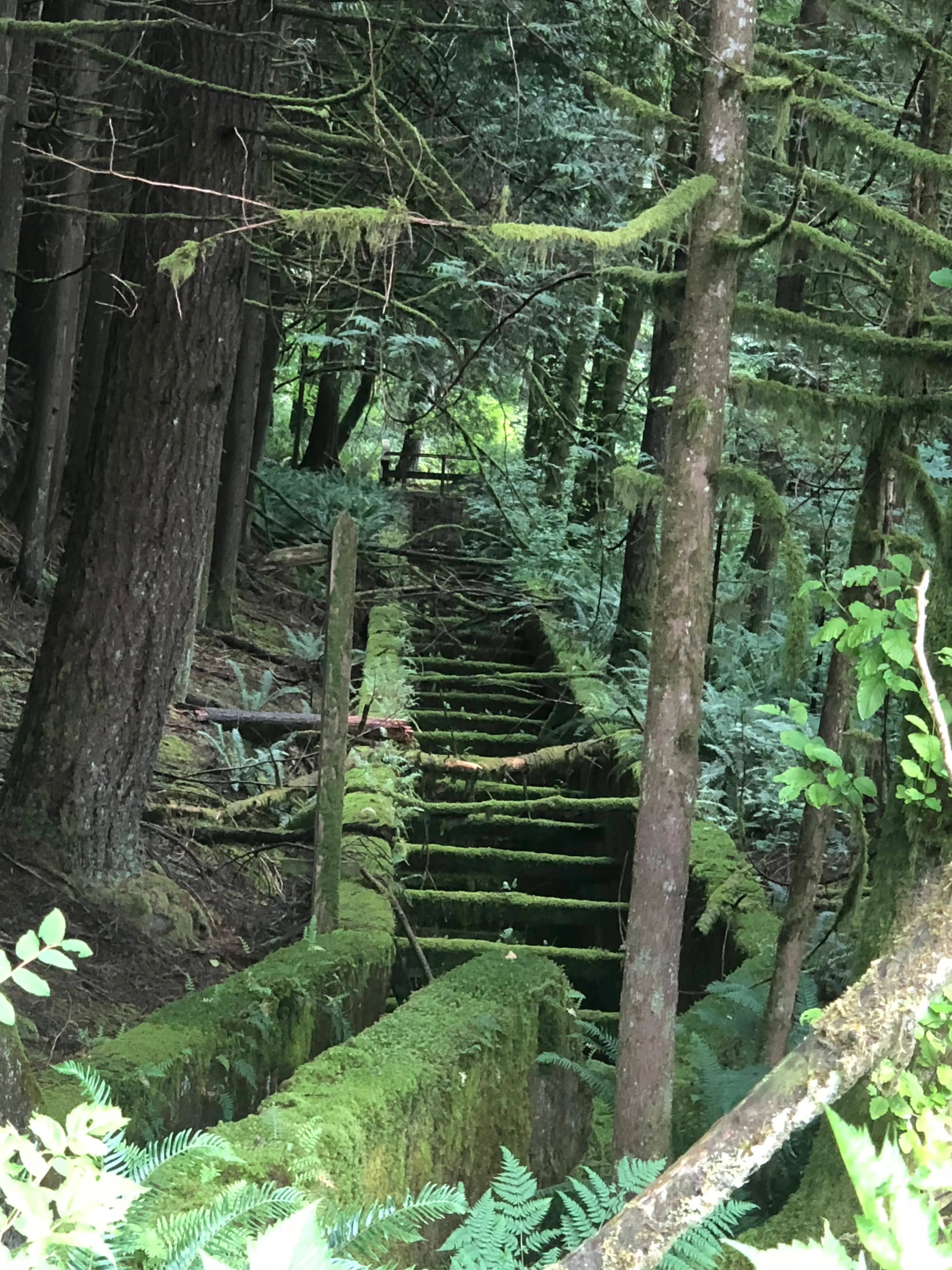
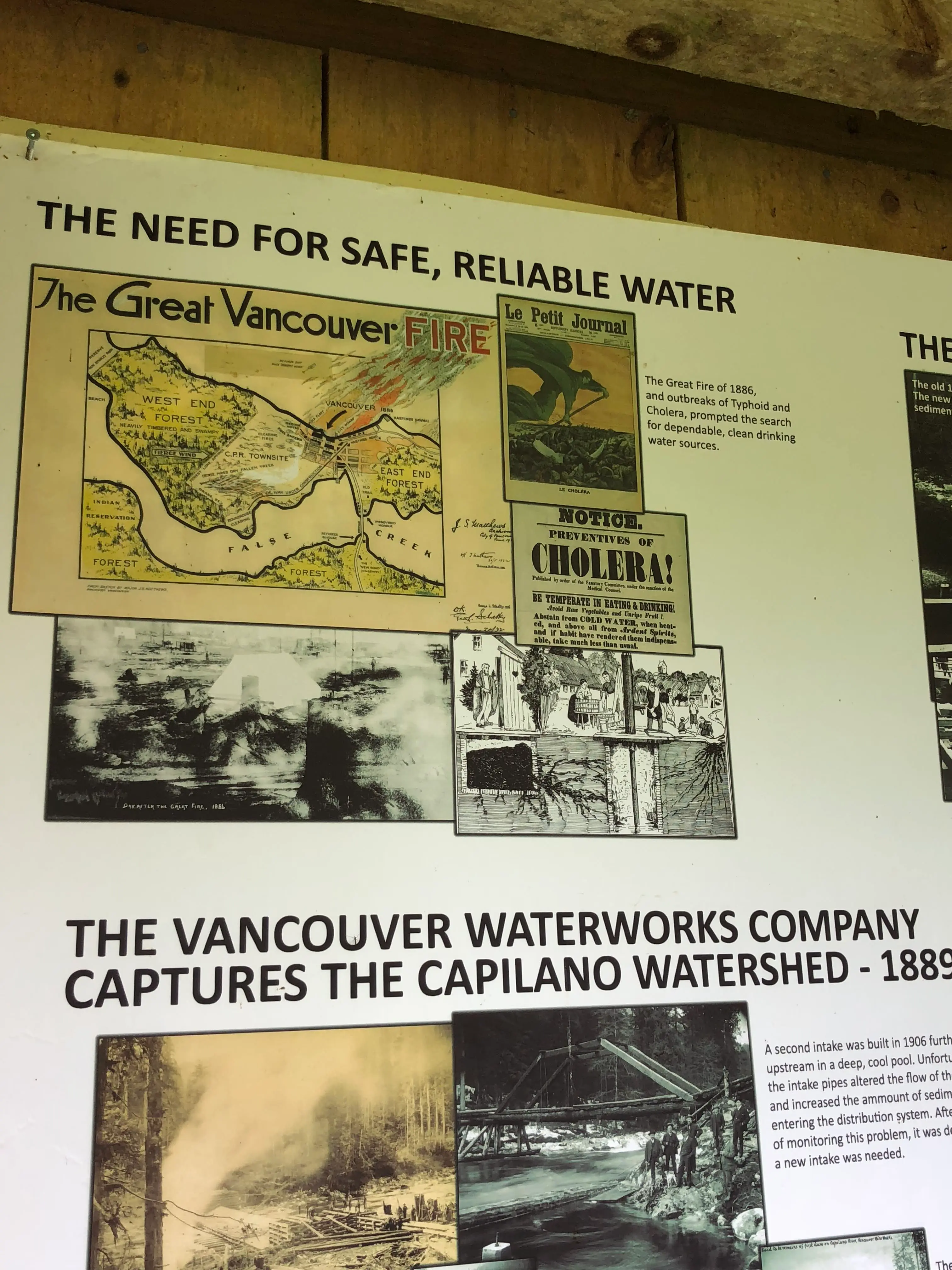
During this technical tour, I also learned what the old pipes that carried water to the city used to be made of. Guess what? Wood!
Beyond everything I've mentioned about the water, the city also runs a fascinating project at these lakes to help sustain the salmon population — but that's a topic for another post... :)
Fun Facts
- We, Vancouver residents, use an average of 270 liters of water per person per day. For public or industrial spaces, consumption is 450 liters per person per day.
- The average per-capita daily water use is 382 liters in the United States and 343 liters in Canada. We're pretty big spenders. Third place goes to Italy with 250 liters per day, followed by Sweden with 200 liters per day (source: City of Vancouver Water Department).
- In summer, consumption nearly doubles, which is why we need to conserve more, hence the restrictions on watering lawns, washing cars, and so on, on certain days.
- Coniferous trees make the water slightly acidic. It's not bad for digestion, but it can damage teeth and corrode pipes. That's why, in the final treatment stage, limestone is added to bring the water's pH back to neutral (this helps prevent corrosion).
- Why should we control our consumption? Because out of the entire reservoir, only 3% is water we actually drink — the rest goes toward less noble purposes like flushing toilets, watering gardens, doing laundry, washing cars, and so on. In other words, it's better to let the grass look a little less green than to waste something as pure and precious as our water.
To drink pure water, turn on the cold tap, let a little of the water that's been sitting in the pipe run out first, and then drink normally. If you want to get rid of any chlorine smell, you can use one of the pitcher filters sold at any grocery store, although it's not strictly necessary.
Let's conserve water and give it the value it deserves. After all, very few people have the privilege of having the best water in the world coming out of their taps!
Want to visit the source of the Capilano River and see other Vancouver curiosities up close? Message me on WhatsApp and let's put together your personalized itinerary.